Talkadot alternative
speakerstrail vs Talkadot
Speaker discovery built on the feedback audiences leave after a talk.
Model: Feedback marketplace · 1129 speakers and 35 conferences in the speakerstrail dataset
speakerstrail vs Talkadot: feature comparison
| Talkadot | speakerstrail | |
|---|---|---|
| Who is listed | Speakers who use Talkadot’s feedback collection with their audiences. | Anyone who appeared on a published conference agenda. Nobody applies. |
| How a record gets there | The speaker runs Talkadot at their talk and collects responses. | Extracted from the event’s own published agenda, after the talk happened. |
| Per-talk source link | No — the artifact is aggregated feedback, not the agenda. | Yes — the agenda URL sits on every talk, one click away. |
| Who pays | Free to planners; a speaker-side fee on bookings the platform generates. | Organizers and agencies, eventually. Free during the closed beta. |
| Speaker pays to be visible | Not upfront — the fee lands on the booking. | No. No speaker has ever paid to be here. |
| Coverage | Wherever speakers run the collection flow. US-weighted. | European AI and tech conferences, ingested by hand. |
| Recency as a filter | Feedback carries a date; not exposed as a discovery facet. | Yes — when someone last spoke is a first-class facet. |
| Cross-platform agendas | No — talks outside their flow leave no record. | Yes — Pretalx, Sched, FOSDEM’s archive, EuroPython, the events’ own sites. |
| Contact route | Booking enquiries through the platform. | Almost none. You will reach the person elsewhere, usually LinkedIn. |
| Export and API | None found for the directory. | Public, unkeyed REST API, plus a .md twin of every page. |
| Removal on request | The speaker owns their account and their feedback. | Yes — /legal/removal, honoured without asking why. |
The Talkadot column was last checked against their own site on 22 September 2026. Where a claim could not be confirmed it says so rather than guessing. Prices are deliberately absent — who pays is structural, what they charge this month is not.
The three that matter most
What the evidence is
- Talkadot
- How an audience rated a talk, collected by the speaker after it happened.
- speakerstrail
- That the talk happened at all, with the conference’s own agenda as the source.
Who is listed
- Talkadot
- Speakers who use the feedback flow. A talk without it leaves no trace.
- speakerstrail
- Anyone on a published agenda, whether or not they use any tool.
Who pays
- Talkadot
- Planners access it free; the speaker pays a fee on bookings it generates.
- speakerstrail
- Organizers and agencies, eventually. No commission on anything.
What Talkadot does
Talkadot collects feedback from the room. A speaker runs it at the end of a session, the audience responds, and over time the speaker accumulates a rated record that planners can browse for free. The speaker side is monetised through a fee on bookings the platform generates rather than a listing subscription.
This is a genuinely different kind of evidence from anything else on this page, and it answers a question we cannot: not whether someone spoke, but whether the room thought it was any good. A rating from two hundred attendees is worth more than a bio.
The structural difference
Talkadot’s record grows where its collection flow runs. A speaker who gave a standout talk at a European AI conference and never opened Talkadot has no record there, and there is no second pipeline that could pick it up — documenting talks outside the flow would mean building an evidence system the product does not have.
speakerstrail starts from the opposite end. We read what the conference published, so the speaker does not need to have adopted anything, or to know we exist. The trade is exact and worth naming: we can tell you someone spoke on this topic at this event on this date and hand you the agenda; we cannot tell you how it landed.
The two records compose rather than compete. Find who has been speaking on your topic in Europe here, then look for them on Talkadot to see whether audiences rated them.
Where we stop
We hold no quality signal of any kind. No ratings, no reviews, no feedback, and we have deliberately not invented a ranking — the dataset does not support one, because most people in it have exactly one recorded talk and every ordering by count is a tie.
Talkadot also carries a booking route. We do not, and the contact step will happen somewhere else.
Where each is stronger
Talkadot
- Audience feedback — a quality signal we have none of
- Free for planners, with a booking route attached
- Evidence of how a talk landed, not just that it happened
speakerstrail
- Covers speakers who have never adopted any tool
- The conference’s own agenda as the source, linked per talk
- European AI and tech depth, filtered by topic, country and recency
What is actually in here
1129 speakers from 35 European conferences — 100% carrying the agenda URL that proves the talk.
- verified speakers
- 1129
- European conferences
- 35
- countries
- 13
- records with a source link
- 100%
Counted from the committed dataset at build time, not typed by hand.
-
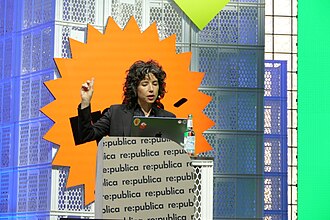 Meredith WhittakerPresident of the Signal Foundation
-
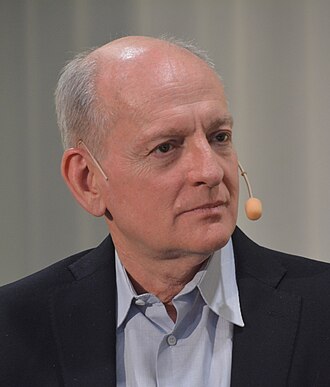 Stuart RussellProfessor of Computer Science, UC Berkeley
-
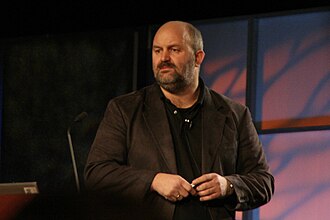 Werner VogelsCTO, Amazon
-
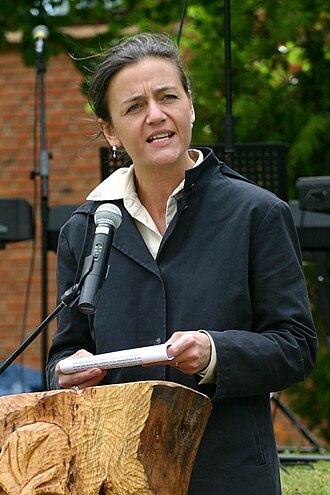 Margrethe VestagerChair, Danish Technical University
-
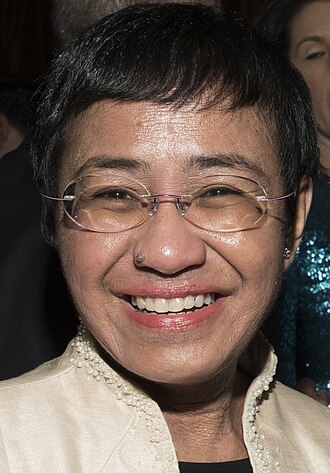 Maria RessaNobel Peace Prize laureate, CEO of Rappler
-
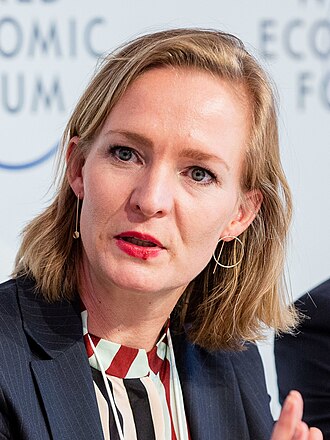 Marietje SchaakeInternational Policy Director, Stanford Cyber Policy Center
-
 Vidya PetersCEO of DataSnipper
-
 Ali NiknamCEO and founder of Bunq
Common questions
- Is Talkadot free for event planners?
- Yes — planners browse and search without paying. The revenue comes from a speaker-side fee on bookings the platform generates, which means nobody buys their way onto the list. On the question of who pays, Talkadot is one of the better-aligned options in this category.
- What kind of proof does Talkadot offer?
- Feedback collected from the audience after a talk — ratings and responses from people who were in the room. That is a quality signal, and it is one speakerstrail does not have at all. What it is not is a record that a particular talk took place at a particular event, because the artifact is the feedback rather than the agenda.
- Does Talkadot cover European conference speakers?
- Only where speakers run its collection flow, which skews US. The limit is structural rather than geographic: a talk with no Talkadot survey attached leaves no record, wherever it happened. We read European agendas directly, so adoption never enters into it.
- Should I use Talkadot or speakerstrail?
- Both, in that order of questions. Use this directory to find who has demonstrably been speaking on your topic in Europe and to check each claim against the agenda. Then look those names up on Talkadot for the thing we cannot tell you — whether the audience thought the talk was good.
The bottom line
Talkadot answers "was the talk any good?" and speakerstrail answers "did the talk happen, and where can I read the proof?" Neither substitutes for the other, and pretending otherwise would be the easy thing to write here. The practical difference is coverage: their record exists where a speaker adopted their tool, ours exists where a conference published an agenda — which is everywhere, including for people who have never heard of either of us.
Build your next shortlist on links, not claims
You have just read how this directory differs from Talkadot. If cross-platform, agenda-verified records are what you need — 1129 speakers, each carrying the source link that proves it — the beta is open. We let agencies in ten at a time. Free, no card.
Other comparisons
Also marketplace: vs SpeakerHubvs eSpeakersvs SpeakUp
vs Sessionizevs Speaker bureausvs LinkedInvs Speakers.comvs The AI Conferencevs Kruger Cownevs European Speakers Bureauvs Speakabout.aivs Pretalxvs Schedvs ChatGPT