Sessionize alternative
speakerstrail vs Sessionize
The CFP platform that built a free speaker directory on top of its own event data.
Model: Event platform · 1129 speakers and 35 conferences in the speakerstrail dataset
speakerstrail vs Sessionize: feature comparison
| Sessionize | speakerstrail | |
|---|---|---|
| Who is listed | Anyone who submitted a talk through a Sessionize-powered call for papers. | Anyone who appeared on a published conference agenda. Nobody applies. |
| How a record gets there | The speaker submits to a CFP the organizer runs on Sessionize; the profile accumulates. | Extracted from the event’s own published agenda, after the talk happened. |
| Per-talk source link | No — session and event counts, but no link to the agenda itself. | Yes — the agenda URL sits on every talk, one click away. |
| Who pays | The organizer, for the CFP. Discovery is free to everyone. | Organizers and agencies, eventually. Free during the closed beta. |
| Speaker pays to be visible | No. | No. No speaker has ever paid to be here. |
| Coverage | 84,000+ profiles, all 18 industries, global. | European AI and tech conferences, ingested by hand. |
| Recency as a filter | Not offered in the directory view. | Yes — when someone last spoke is a first-class facet. |
| Cross-platform agendas | No — the record stops at events that ran a Sessionize CFP. | Yes — Pretalx, Sched, FOSDEM’s archive, EuroPython, the events’ own sites. |
| Contact route | A profile page and the speaker’s own links. | Almost none. You will reach the person elsewhere, usually LinkedIn. |
| Export and API | An embeddable widget for organizers; no open directory API found. | Public, unkeyed REST API, plus a .md twin of every page. |
| Removal on request | The speaker controls their own profile. | Yes — /legal/removal, honoured without asking why. |
The Sessionize column was last checked against their own site on 8 September 2026. Where a claim could not be confirmed it says so rather than guessing. Prices are deliberately absent — who pays is structural, what they charge this month is not.
The three that matter most
Who is listed
- Sessionize
- Anyone who submitted a talk through a Sessionize-powered call for papers.
- speakerstrail
- Anyone who appeared on a published conference agenda, whatever tooling produced it.
Who pays
- Sessionize
- The organizer, for running the CFP. Discovery is free.
- speakerstrail
- Organizers and agencies, eventually. No speaker has ever paid to be here.
What you can check
- Sessionize
- Session and event counts — real evidence. No per-talk source link; no way to verify a specific talk against the event’s own agenda.
- speakerstrail
- The agenda URL on every talk, one click away. Check it yourself.
What Sessionize does
Sessionize is a call-for-papers platform used by conference organizers to manage submissions, schedules and speaker communications. On top of that, they built a free public speaker directory with 84,000+ profiles, topic categories, and per-speaker session and event counts.
The directory is genuine evidence. A speaker’s profile shows how many talks they gave and at how many events. That is far more than any self-registered marketplace can offer.
The structural difference
Sessionize’s directory covers events that ran a Sessionize-powered CFP. That is its strength and its boundary: a speaker’s record ends where Sessionize’s customer list ends.
speakerstrail starts from a different place. We index agendas the conferences published themselves, whatever tooling produced them — Pretalx, Sched, the event’s own site, FOSDEM’s archive. The boundary is what we have ingested, not what one platform’s customers generated.
The other difference is granularity. Sessionize shows counts. We show links: every talk carries the URL of the agenda page it was extracted from, so you can check a specific session without asking either of us to vouch for it.
Where we stop
Sessionize has 84,000+ profiles. We have a fraction of that. Their directory is global and general-purpose; ours is European AI/tech conferences, hand-sourced.
They also hold the organizer relationship: if a conference already runs Sessionize, the speaker data flows in automatically. Our pipeline is manual ingestion from public pages.
If you need breadth across all industries and geographies, Sessionize’s directory is the larger dataset. If you need cross-platform coverage of European AI conferences with per-talk source links, that is what we built.
Where each is stronger
Sessionize
- 84,000+ speaker profiles vs our focused European AI/tech dataset
- Global, all-industry coverage
- Automatic data flow from organizers already using the platform
speakerstrail
- Per-talk source links — check any claim yourself in one click
- Cross-platform coverage: agendas from any tooling, not just one CFP vendor
- Recency filter — when someone last spoke, as a first-class facet
What is actually in here
1129 speakers from 35 European conferences — 100% carrying the agenda URL that proves the talk.
- verified speakers
- 1129
- European conferences
- 35
- countries
- 13
- records with a source link
- 100%
Counted from the committed dataset at build time, not typed by hand.
-
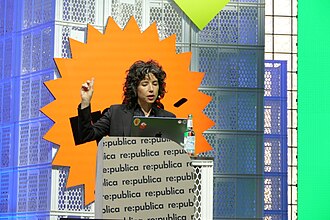 Meredith WhittakerPresident of the Signal Foundation
-
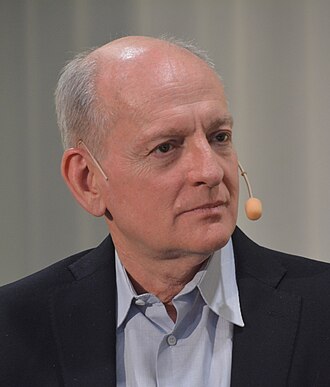 Stuart RussellProfessor of Computer Science, UC Berkeley
-
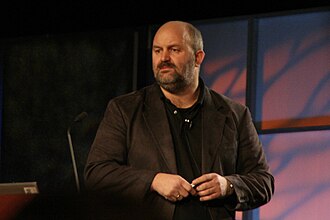 Werner VogelsCTO, Amazon
-
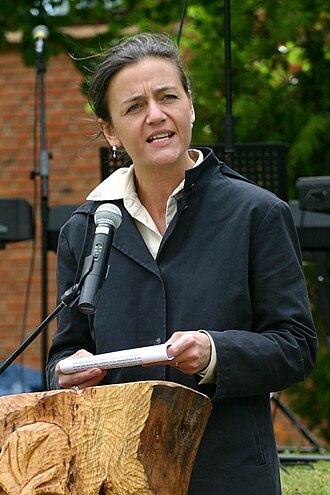 Margrethe VestagerChair, Danish Technical University
-
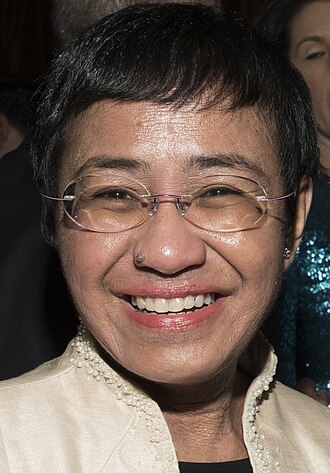 Maria RessaNobel Peace Prize laureate, CEO of Rappler
-
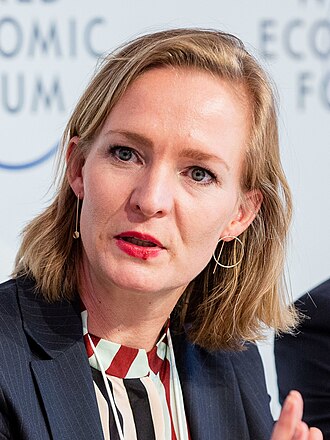 Marietje SchaakeInternational Policy Director, Stanford Cyber Policy Center
-
 Vidya PetersCEO of DataSnipper
-
 Ali NiknamCEO and founder of Bunq
Common questions
- Is Sessionize’s speaker directory free?
- Yes. Sessionize charges the organizer for running a commercial call for papers and gives the directory away — 84,000+ profiles, browsable by anyone, no account needed. On the question of who pays, they and we are on the same side: neither of us bills the speaker. speakerstrail is free during the closed beta and will be paid for by organizers and agencies after it.
- Does Sessionize cover conferences that do not use Sessionize?
- Not in the directory. A speaker’s Sessionize record contains the events that ran a Sessionize-powered CFP, which is the platform working exactly as designed. We checked this against our own dataset: none of the events we have ingested publish a Sessionize agenda — their sources are Pretalx, Sched, FOSDEM’s archive, EuroPython and the conferences’ own sites. That number says which corner of the market our seed sits in, not that Sessionize covers nothing European.
- Can I verify a specific talk on Sessionize?
- You can see how many sessions and events a speaker has, which is real evidence and more than a self-registered marketplace offers. What you cannot do is open the agenda page for one particular talk and read the speaker’s name on it, because the directory shows counts rather than sources. Every talk on speakerstrail carries the URL it was extracted from.
- Should I use Sessionize or speakerstrail?
- Use Sessionize if you want breadth: all industries, worldwide, 84,000+ profiles, free. Use speakerstrail if you need European AI and tech specifically, want to filter on when someone last spoke, or have to hand a client a shortlist where every line is checkable against the conference’s own agenda. Plenty of people should use both.
The bottom line
Sessionize is the strongest thing in this comparison and the honest answer is that its directory is larger than ours by two orders of magnitude, free, and backed by a platform organizers already trust. The boundary is structural rather than a gap they forgot to fill: the record stops where their customer list stops, and it counts talks instead of citing them. If you want the widest net, start there. If your shortlist has to survive a client asking "how do you know?", start here.
Build your next shortlist on links, not claims
You have just read how this directory differs from Sessionize. If cross-platform, agenda-verified records are what you need — 1129 speakers, each carrying the source link that proves it — the beta is open. We let agencies in ten at a time. Free, no card.
Other comparisons
vs SpeakerHubvs eSpeakersvs Speaker bureausvs LinkedInvs SpeakUpvs Talkadotvs Speakers.comvs The AI Conferencevs Kruger Cownevs European Speakers Bureauvs Speakabout.aivs Pretalxvs Schedvs ChatGPT